
Understanding the dynamics of global real estate markets
Economic fluctuations significantly influence property values, creating diverse opportunities for investors worldwide. Analyzing supply and demand curves reveals hidden potential in emerging neighborhoods. Strategic timing remains crucial for maximizing asset appreciation over the long term.

Market volatility analysis
Rising interest rates often cool overheated sectors, allowing prices to stabilize gradually. Savvy investors monitor central bank policies to predict future borrowing costs.

Strategic asset allocation
Diversifying portfolios across residential and commercial sectors mitigates risks associated with economic downturns. Geographic spread protects against localized market stagnations.

Urban development shifts
Infrastructure projects, such as new transit lines, boost property desirability in surrounding areas. Gentrification trends often signal early entry points for high growth.

Commercial sector yields
Office spaces and retail hubs face evolving demand due to remote work trends. Adaptive reuse strategies transform obsolete buildings into valuable assets.
Mastering the art of buying and selling properties
Navigating a transaction requires meticulous attention to legal details and precise market timing. Experienced negotiators secure favorable terms by leveraging inspection reports and comparable sales data. Preparation ensures a seamless transfer of ownership and protects financial interests.

Securing the ideal property at the right price
Thorough due diligence uncovers structural issues before signing the final contract. Smart buyers evaluate the neighborhood’s future growth potential rather than just the current aesthetics. Professional inspections provide leverage during price discussions, often saving thousands in future repair costs. Pre-approval letters demonstrate financial seriousness to sellers, strengthening purchase offers in competitive bidding wars.
Maximizing value through strategic presentation
Staging a home creates an emotional connection for potential buyers walking through the door. High-quality photography captures the essence of the space, driving online engagement and physical viewings. Pricing correctly from day one generates immediate interest.
- Professional home staging
- Targeted marketing campaigns
- Effective negotiation tactics

Navigating complex real estate financing options
Securing capital remains the cornerstone of any successful property acquisition strategy. Investors must evaluate various lending products to find terms that align with their cash flow goals. Interest rates and amortization schedules directly impact long-term profitability and return on investment.

Traditional fixed-rate mortgages
Banks offer stability through locked interest rates, protecting borrowers from market fluctuations over decades. Monthly payments remain predictable, simplifying long-term budgeting for homeowners.

Adjustable-rate loan products
Lower initial payments attract investors planning to sell or refinance quickly. These instruments carry risk if market rates climb significantly during the loan term.
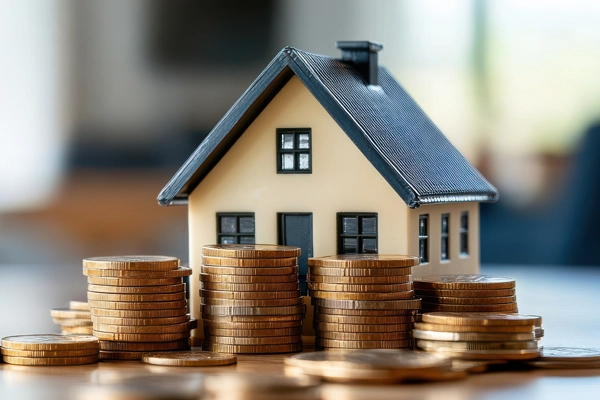
Private money and hard money
Short-term bridge loans provide rapid access to capital for renovation projects. Higher interest costs are offset by the speed of funding and flexible approval criteria.
Building wealth through strategic rental investment
Generating passive income requires selecting assets that perform well in local rental markets. Successful portfolios balance high-yield properties with stable, appreciative assets. Location analysis determines the quality of the tenant pool and vacancy risks.
01
Residential properties
Single-family homes offer consistent demand and easier financing options for beginners. Families tend to stay longer, reducing turnover costs.
02
Multi-family units
Economies of scale allow investors to manage multiple income streams under one roof. Maintenance costs per unit decrease significantly with scale.
03
Commercial opportunities
Business leases often span several years, providing stable cash flow. Tenants usually cover operational costs like taxes and insurance.
Optimizing returns via taxation and management
Effective oversight transforms a physical asset into a performing financial instrument. Smart owners utilize tax codes to minimize liabilities while maintaining property standards to retain quality tenants. Professional management preserves the asset’s value.
Preventative maintenance
Regular inspections catch small issues before they become expensive structural failures requiring major repairs.
Operating expense write-offs
Repairs, insurance, and management fees reduce the overall tax burden for the investor.
Capital gains deferral
Reinvesting profits into similar properties allows owners to delay paying taxes on appreciation.
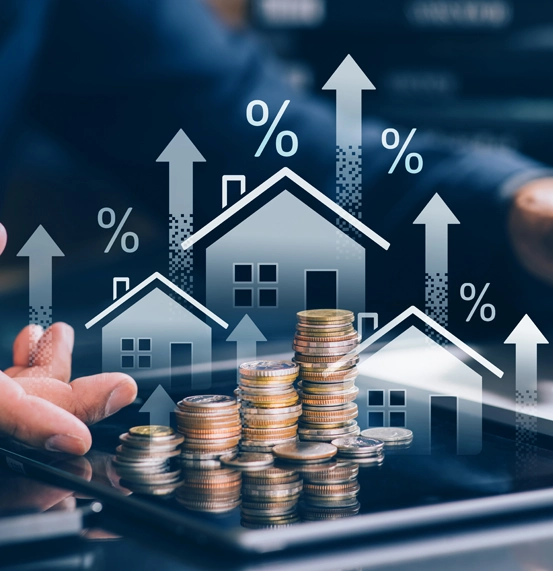
Tenant screening process
Rigorous background checks prevent costly evictions and ensure timely rent payments from occupants.
Depreciation benefits
Deducting the cost of the building over time lowers taxable income significantly each year.
Lease agreement enforcement
Clear contracts protect the landlord’s rights and define tenant responsibilities explicitly regarding property care.
Essential home improvement projects
Modernizing your house

Roof renovation
Replacing or repairing the roof protects your home from the elements while improving its thermal and acoustic insulation.

Wall refurbishment and painting
Refreshing the walls and applying a new coat of paint modernizes the interior and creates a pleasant and harmonious atmosphere.

Electrical and plumbing renovation
Updating your electrical system ensures safety, comfort, and compliance with current standards.

Kitchen and bathroom renovation
Modernizing these key rooms improves everyday comfort and increases the property’s value.

Insulation and windows & doors
Installing effective insulation and high-quality windows and doors reduces energy loss and increases your home’s energy efficiency.